🔑 Key Takeaways: Subscription-Based Auto Services
🚗 Automakers are shifting from one-time car sales to recurring subscription revenue models
Automakers are increasingly moving toward subscription-based income to create steady, predictable revenue streams. Instead of relying only on vehicle sales and repairs, companies now monetize software-driven features, upgrades, and digital services. This shift aligns the auto industry with broader subscription trends seen in entertainment and tech.
💸 Drivers are pushing back due to cost concerns, ownership uncertainty, and subscription fatigue
Many consumers are hesitant to adopt subscription-based car features because they feel they are being asked to pay repeatedly for features that were once included. Concerns around long-term cost, unclear value, and loss of ownership over vehicle functionality remain major barriers to widespread acceptance.
⚙️ Electric vehicles and software-defined cars are accelerating the growth of feature-based subscriptions
Electric vehicles and modern software-driven cars are making subscription models more practical. Features like performance tuning, battery optimization, and driving assistance can now be activated or upgraded digitally. This enables automakers to unlock or sell features after purchase without changing physical hardware.
📊 The future of auto subscriptions depends on trust, transparency, and fair value bundling
The success of subscription-based auto services will depend on how well automakers balance profitability with consumer trust. Clear pricing, optional upgrades, and avoiding paywalls on essential features will be critical. Partnerships with insurers and tech companies may also shape bundled offerings that define the next era of car ownership.
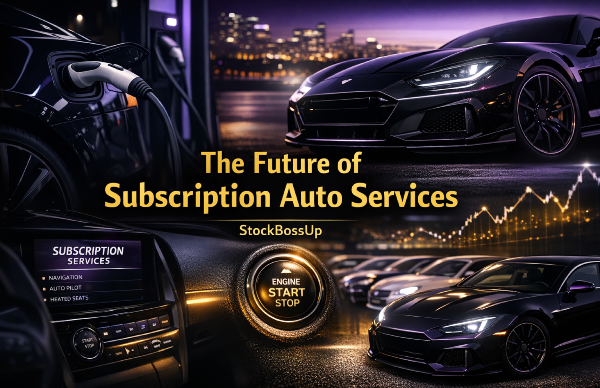
The Future of Subscription-Based Auto Services
Modern drivers face a growing problem. Cars are getting smarter, but the cost of owning and maintaining them is rising even faster. Many people feel stuck between wanting new features and not wanting higher bills. A new model is spreading through the auto world, promising to change how we drive, pay, and upgrade. But the real question is whether it solves the problem or creates a new one.
Why Are Automakers Pushing Subscriptions So Hard?
Automakers once relied on selling cars, parts, and repairs. Today, they want steady monthly income. Subscriptions provide predictable revenue even when car sales slow down. This shift mirrors trends in tech and entertainment, where people already pay monthly for music, movies, and apps.
Drivers also expect more from their vehicles—safety tools, comfort features, and digital upgrades. These features cost money to build and maintain. Subscriptions help cover those costs without raising the upfront price of the car too much.
Another major factor is software. Cars now run on software as much as hardware. Features can be updated, improved, or sold later. A heated seat, for example, can be turned on or off digitally. This gives automakers more flexibility and control.
Companies also use subscriptions to test demand. They track adoption and cancellations to decide what to build next and to forecast revenue more accurately.
What Makes Drivers Hesitate to Accept Monthly Car Features?
Many drivers are uncomfortable paying monthly for features once included in the purchase price. They worry that basic functions could become paywalled over time, making cars less affordable.
There is also confusion about what subscriptions actually include. Safety, entertainment, and performance features are often bundled differently, making the system feel complex.
Trust is another issue. Drivers want clear value for their money. If a feature feels unnecessary, they are unlikely to subscribe.
Finally, ownership concerns matter. If a subscription ends, the feature disappears—creating a sense of incomplete ownership.
How Do Subscription Services Change the Way Cars Are Built?
Cars are increasingly designed with hidden capabilities that can be unlocked later. This makes vehicles more modular and software-driven.
Key changes include:
- More emphasis on software updates over hardware redesigns
- Longer vehicle lifespans through continuous updates
- Feature bundling (e.g., safety or comfort packages)
Examples of bundles:
- Safety bundle: lane assist, blind-spot alerts, automatic braking
- Comfort bundle: seat heating, climate control upgrades
This approach helps automakers manage costs while giving drivers more choice.
Are Drivers Actually Using These Subscription Features?
Early adoption is mixed. Some drivers enjoy flexibility, such as enabling all-wheel drive only in winter or subscribing to entertainment for road trips.
However, many users ignore subscriptions altogether due to complexity or fear of ongoing costs.
| Feature Type |
Typical Monthly Cost |
Driver Adoption Rate |
| Safety Tools |
$10–$25 |
Medium |
| Comfort Features |
$5–$15 |
Low |
| Entertainment |
$10–$20 |
High |
| Performance Upgrades |
$20–$50 |
Low |
Pricing remains a key factor in adoption rates.
Why Do Some Automakers Want to Charge for Performance?
Performance upgrades can now be delivered through software rather than physical changes. This allows automakers to adjust power or efficiency after purchase.
Arguments for this model include:
- Covers R&D and testing costs
- Offers flexibility for drivers
- Enables safety tuning (e.g., limiting power for new drivers)
However, some drivers resist paying extra for hardware they already own.
What Role Will Electric Vehicles Play in Subscription Growth?
Electric vehicles (EVs) are highly software-dependent, making them ideal for subscription models.
Possible EV subscriptions include:
- Range and battery optimization updates
- Faster charging access
- Performance enhancements
Some EVs even ship with locked battery capacity that can be unlocked for a fee.
As EVs reduce reliance on traditional repairs, subscriptions may replace lost service revenue.
Will Insurance Companies Join the Subscription Trend?
Insurance companies are already shifting toward usage-based models that adjust monthly based on driving behavior.
Future subscription models may include:
- Accident forgiveness packages
- Roadside assistance bundles
- Theft-prevention features
Insurance and automakers may also combine offerings into unified subscription plans.
| Plan Type |
Billing Style |
Flexibility |
Driver Control |
| Traditional Insurance |
Annual/Semi-Annual |
Low |
Low |
| Usage-Based Insurance |
Monthly |
Medium |
Medium |
| Subscription Insurance |
Monthly |
High |
High |
How Will Subscription Models Affect Car Ownership?
Ownership models are evolving:
- Some drivers may shift away from owning cars entirely
- Others will own vehicles but subscribe to features
- Younger drivers may prefer flexible, short-term access
- Older drivers may prefer traditional ownership models
Some luxury brands are experimenting with “car passports,” allowing users to switch vehicles under a single monthly fee.
Why Are Some People Worried About Digital Locks on Car Features?
Concerns include:
- Paying extra for already-installed features
- Rising long-term costs
- Losing access if subscriptions end
- Privacy and data tracking issues
| Concern |
Description |
| Fairness |
Paying for built-in features |
| Cost |
Increasing monthly fees |
| Access |
Losing features if canceled |
| Privacy |
Data collection concerns |
What Will Push Subscription Models Into the Mainstream?
Several trends are accelerating adoption:
- Improved pricing models
- Better software updates
- Growth of EVs
- Younger, subscription-friendly consumers
- Potential government regulation
- Industry partnerships across automakers, insurers, and tech firms
What Is the Real Solution to the Problem Drivers Face Today?
Drivers want modern features without endless payments. Automakers want steady revenue without losing trust.
The solution lies in balance:
- Transparent pricing
- Optional, not essential, subscriptions
- Clear value for paid features
- Protection of core vehicle functionality
The future depends on whether companies prioritize trust and clarity over aggressive monetization.
Ultimately, drivers want control—not complexity. Subscriptions will succeed only if they enhance the driving experience rather than complicate it.
















🔑 Key Takeaways: Subscription-Based Auto Services
🚗 Automakers are shifting from one-time car sales to recurring subscription revenue models
Automakers are increasingly moving toward subscription-based income to create steady, predictable revenue streams. Instead of relying only on vehicle sales and repairs, companies now monetize software-driven features, upgrades, and digital services. This shift aligns the auto industry with broader subscription trends seen in entertainment and tech.
💸 Drivers are pushing back due to cost concerns, ownership uncertainty, and subscription fatigue
Many consumers are hesitant to adopt subscription-based car features because they feel they are being asked to pay repeatedly for features that were once included. Concerns around long-term cost, unclear value, and loss of ownership over vehicle functionality remain major barriers to widespread acceptance.
⚙️ Electric vehicles and software-defined cars are accelerating the growth of feature-based subscriptions
Electric vehicles and modern software-driven cars are making subscription models more practical. Features like performance tuning, battery optimization, and driving assistance can now be activated or upgraded digitally. This enables automakers to unlock or sell features after purchase without changing physical hardware.
📊 The future of auto subscriptions depends on trust, transparency, and fair value bundling
The success of subscription-based auto services will depend on how well automakers balance profitability with consumer trust. Clear pricing, optional upgrades, and avoiding paywalls on essential features will be critical. Partnerships with insurers and tech companies may also shape bundled offerings that define the next era of car ownership.
The Future of Subscription-Based Auto Services
Modern drivers face a growing problem. Cars are getting smarter, but the cost of owning and maintaining them is rising even faster. Many people feel stuck between wanting new features and not wanting higher bills. A new model is spreading through the auto world, promising to change how we drive, pay, and upgrade. But the real question is whether it solves the problem or creates a new one.
Why Are Automakers Pushing Subscriptions So Hard?
Automakers once relied on selling cars, parts, and repairs. Today, they want steady monthly income. Subscriptions provide predictable revenue even when car sales slow down. This shift mirrors trends in tech and entertainment, where people already pay monthly for music, movies, and apps.
Drivers also expect more from their vehicles—safety tools, comfort features, and digital upgrades. These features cost money to build and maintain. Subscriptions help cover those costs without raising the upfront price of the car too much.
Another major factor is software. Cars now run on software as much as hardware. Features can be updated, improved, or sold later. A heated seat, for example, can be turned on or off digitally. This gives automakers more flexibility and control.
Companies also use subscriptions to test demand. They track adoption and cancellations to decide what to build next and to forecast revenue more accurately.
What Makes Drivers Hesitate to Accept Monthly Car Features?
Many drivers are uncomfortable paying monthly for features once included in the purchase price. They worry that basic functions could become paywalled over time, making cars less affordable.
There is also confusion about what subscriptions actually include. Safety, entertainment, and performance features are often bundled differently, making the system feel complex.
Trust is another issue. Drivers want clear value for their money. If a feature feels unnecessary, they are unlikely to subscribe.
Finally, ownership concerns matter. If a subscription ends, the feature disappears—creating a sense of incomplete ownership.
How Do Subscription Services Change the Way Cars Are Built?
Cars are increasingly designed with hidden capabilities that can be unlocked later. This makes vehicles more modular and software-driven.
Key changes include:
Examples of bundles:
This approach helps automakers manage costs while giving drivers more choice.
Are Drivers Actually Using These Subscription Features?
Early adoption is mixed. Some drivers enjoy flexibility, such as enabling all-wheel drive only in winter or subscribing to entertainment for road trips.
However, many users ignore subscriptions altogether due to complexity or fear of ongoing costs.
Pricing remains a key factor in adoption rates.
Why Do Some Automakers Want to Charge for Performance?
Performance upgrades can now be delivered through software rather than physical changes. This allows automakers to adjust power or efficiency after purchase.
Arguments for this model include:
However, some drivers resist paying extra for hardware they already own.
What Role Will Electric Vehicles Play in Subscription Growth?
Electric vehicles (EVs) are highly software-dependent, making them ideal for subscription models.
Possible EV subscriptions include:
Some EVs even ship with locked battery capacity that can be unlocked for a fee.
As EVs reduce reliance on traditional repairs, subscriptions may replace lost service revenue.
Will Insurance Companies Join the Subscription Trend?
Insurance companies are already shifting toward usage-based models that adjust monthly based on driving behavior.
Future subscription models may include:
Insurance and automakers may also combine offerings into unified subscription plans.
How Will Subscription Models Affect Car Ownership?
Ownership models are evolving:
Some luxury brands are experimenting with “car passports,” allowing users to switch vehicles under a single monthly fee.
Why Are Some People Worried About Digital Locks on Car Features?
Concerns include:
What Will Push Subscription Models Into the Mainstream?
Several trends are accelerating adoption:
What Is the Real Solution to the Problem Drivers Face Today?
Drivers want modern features without endless payments. Automakers want steady revenue without losing trust.
The solution lies in balance:
The future depends on whether companies prioritize trust and clarity over aggressive monetization.
Ultimately, drivers want control—not complexity. Subscriptions will succeed only if they enhance the driving experience rather than complicate it.